Where is Gorro Gutu Mountain?
- It’s the highest mountain in Goro Gutu woreda (district) in the East Hararghe Zone of Oromia Region, eastern Ethiopia. The entire district is named after this mountain.
- The area lies in the Ahmar Mountains, part of the Ethiopian Highlands.
- The district’s elevation ranges roughly from 1,200 m to 2,660 m above sea level.
- The nearest administrative town is Karamile, the capital of Goro Gutu woreda.
How to Get There
Travel to Karamile (Goro Gutu woreda)
- From Dire Dawa / Harar area, you travel by road toward Deder and then on to Karamile in Goro Gutu woreda. Karamile sits in East Hararghe and is recognized as the district center.
- Road-distance estimates put Karamile–Dire Dawa at about 95 km by road, though the exact route may vary.
- Reports from development and church groups working in the area describe “roads that weren’t really roads” – rough, rutted tracks and footpaths into remote mountain villages, usually requiring 4×4 vehicles and experienced local drivers.
- There are no marked hiking trails online, so you’d almost certainly need: A local guide (from Karamile or nearby villages), and up-to-date advice from local authorities or NGOs about road conditions and security.
Things or places of interest at Gorro Gutu Mountain?
Natural features
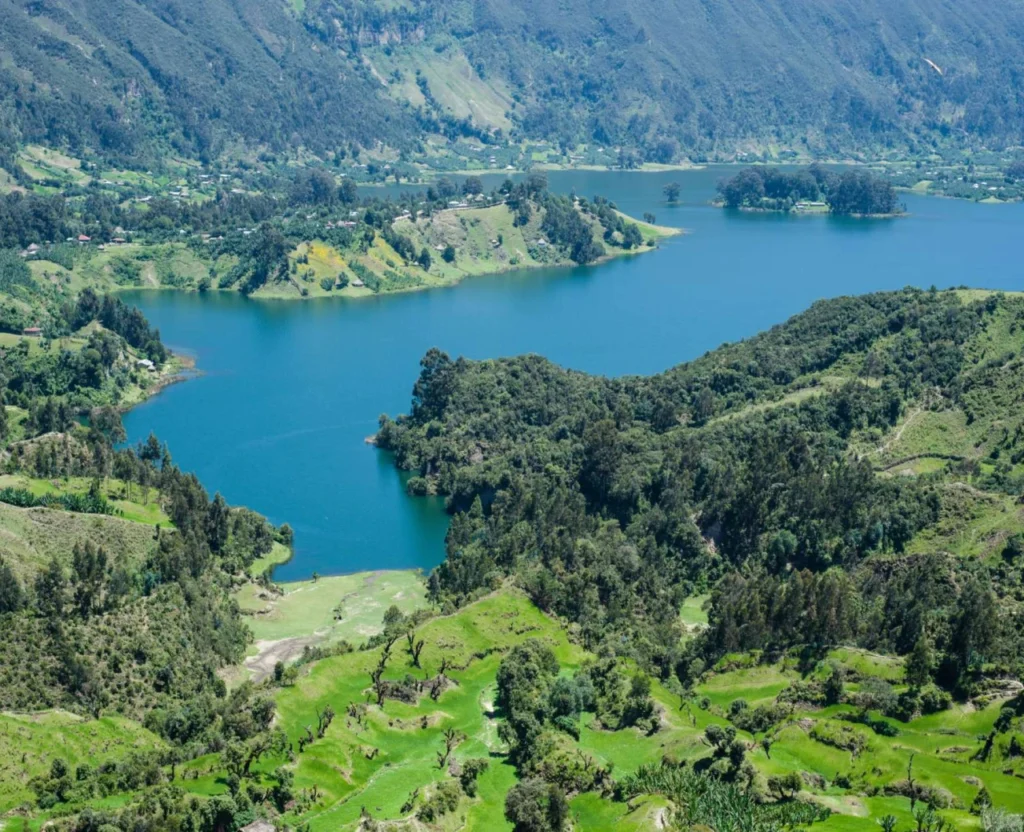
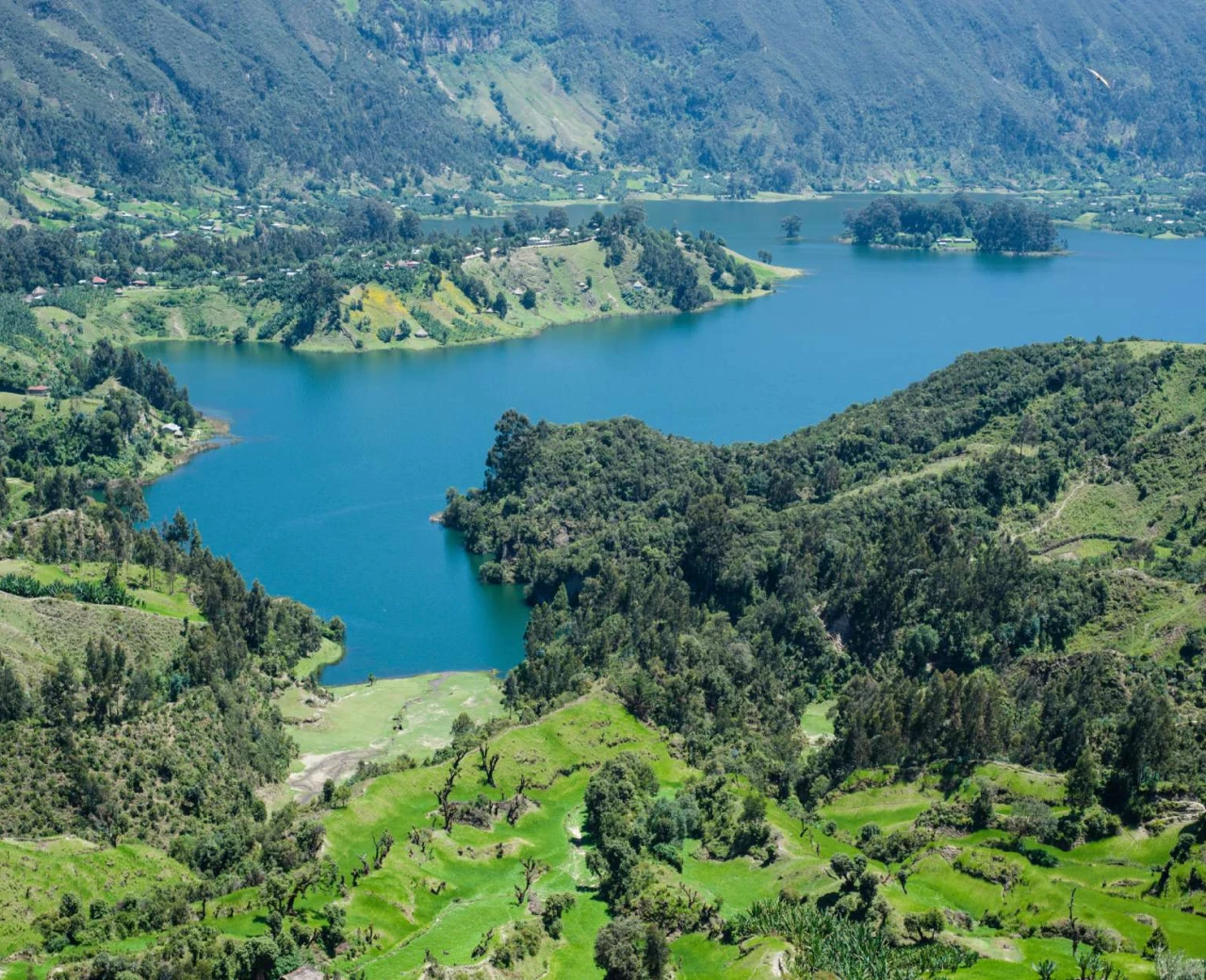
- Mountain scenery & highland views – The district spans from low valleys up to about 2,660 m, so the mountain and surrounding ridges should offer wide views over the Ahmar Mountains and East Hararghe highlands.
- River valleys – Goro Gutu district includes rivers such as the Erer, Usman Ejersa, and Burka. These carve out valleys and gorges that would be scenic from higher elevations on or near the mountain.
- Highland agriculture – The area is known for khat, vegetables, fruits, and some coffee as major cash crops, grown on terraced and hillside farms.
- Walking or driving through the mountain area would likely involve passing small farms, grazing land, and rural villages.
Culture and Village Life
- Goro Gutu is predominantly Oromo and overwhelmingly Muslim.
- Things of interest from a cultural perspective (not formal attractions) would include:
-
-
-
- Local markets
- Mosques and village religious life
- Everyday rural routines: farming, livestock herding, gathering water, etc.
- Community water projects & rural development sites
-
-
-
- Some villages in Goro Gutu (like Aba Daga) have been part of multiple-use water and development projects. These are typically visited by NGOs and researchers rather than tourists, but they are an important part of the modern story of the mountain communities.
- Because the area is not a mainstream tourist destination, anything you “see” will be more about landscape and local life than marked viewpoints or visitor centers.
History of Gorro Gutu Mountain
Namesake of the district
- The Goro Gutu woreda is named after Mount Goro Gutu, recognizing it as the tallest mountain in the district and a key geographic landmark.
Part of the Ethiopian Highlands (Ahmar Mountains)
- The mountain sits within the Ahmar Mountains, an eastern extension of the Ethiopian Highlands, which have been inhabited by highland communities for centuries and are important for agriculture and trade routes in eastern Ethiopia.
Oromo homeland & religious traditions
- Goro Gutu lies in an Oromo-majority region, and Oromo highland areas often have sacred natural sites and traditional gathering spaces (like meadows or hilltops used historically for community assemblies and rituals). One social-media description of “Goro Gutu of East Oromia” connects the broader region to Oromo cultural identity and civic life, though it doesn’t give specific stories about the peak itself.
Modern administrative & conflict history
- In 2004 a referendum on the border between Oromia and the Somali Region affected many kebeles (villages) around Goro Gutu; afterward, there were population displacements and humanitarian needs in the woreda.
- Humanitarian and health studies (for example, on trachoma prevalence) also include Goro Gutu as one of their surveyed districts, reflecting ongoing efforts to improve public health in these mountain communities.