Where is Dr Ali Birra Park?
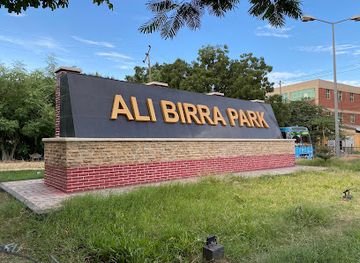
Dr Ali Birra Park is a public park located in Dire Dawa City Administration, eastern Ethiopia. It is situated near the city center, making it easily accessible from surrounding neighborhoods, commercial areas, and main roads.
Named after Dr Ali Birra, a celebrated Ethiopian musician and cultural icon, the park serves as both a recreational space and a site of local pride. Its elevation is approximately 1,200 meters above sea level, consistent with Dire Dawa’s lowland semi-arid environment.
The park is part of Dire Dawa’s urban planning and green space initiative, providing a quiet and shaded area amid the city’s bustling streets.
Things and Places of Interest at Dr Ali Birra Park
Walking Paths and Open Areas
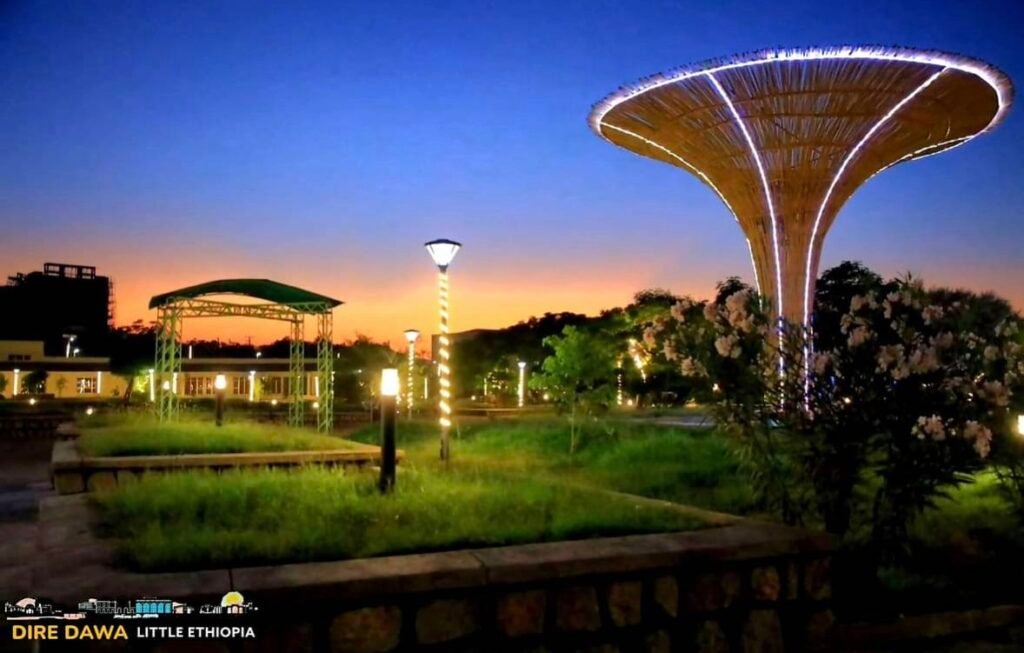
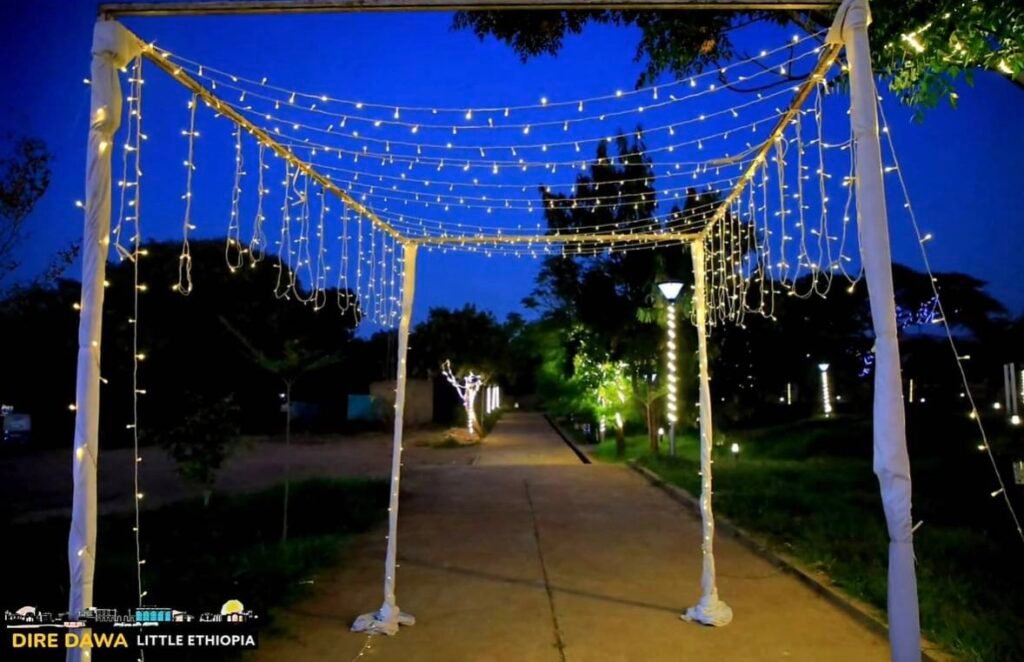
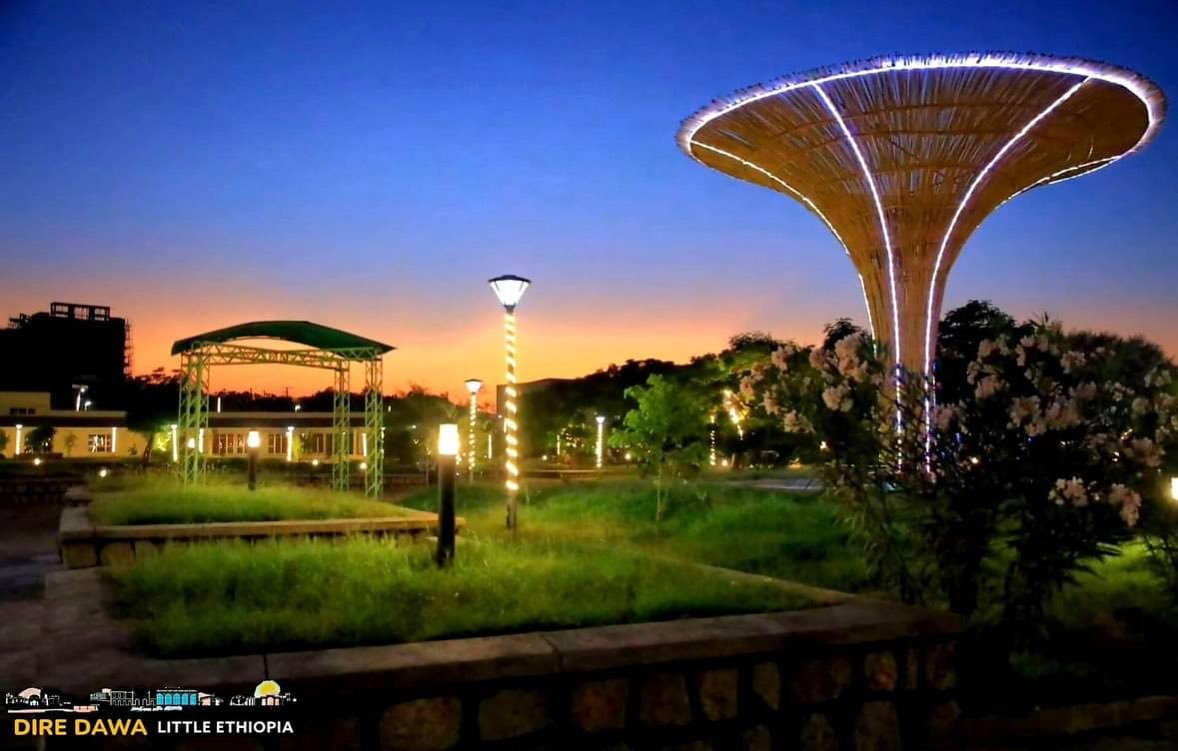
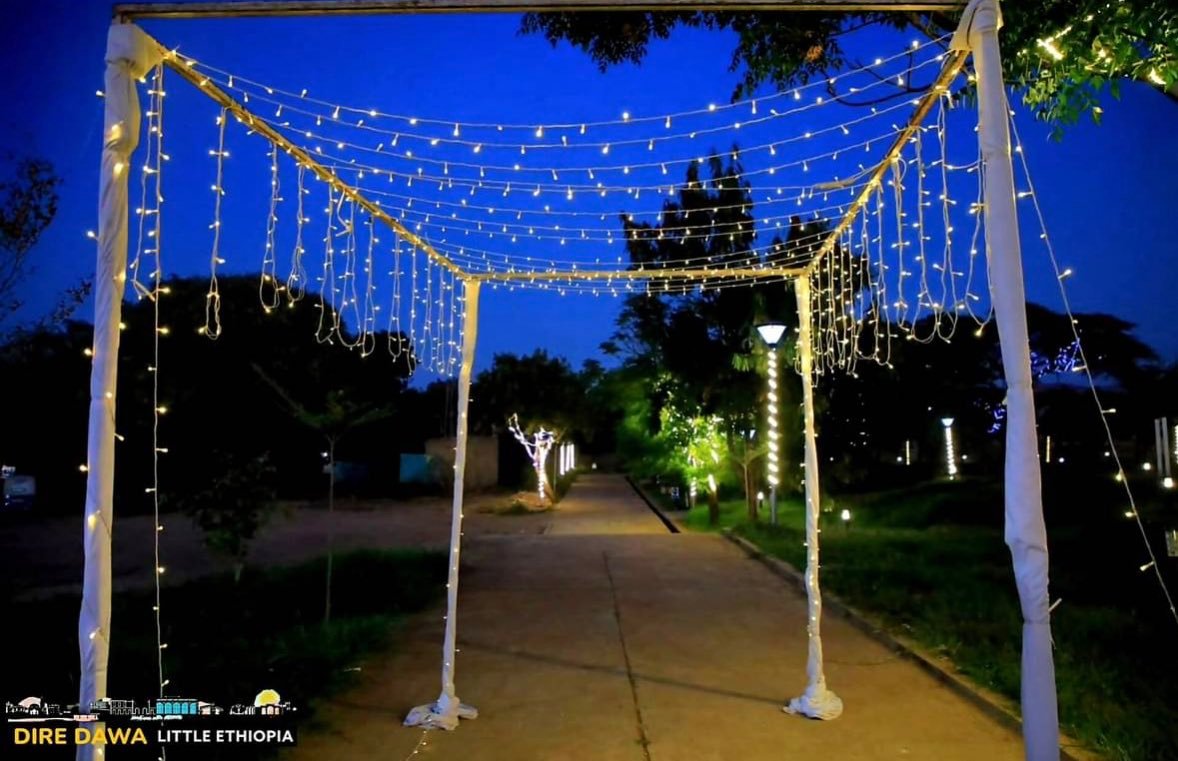
The park features well-maintained walking paths, open lawns, and shaded seating areas, ideal for daily exercise, casual strolls, or family outings.
Monuments and Statues
Visitors can see commemorative monuments and plaques dedicated to Dr Ali Birra, celebrating his contributions to Ethiopian music and culture.
Community Spaces
The park often hosts small cultural events, music performances, and public gatherings, reflecting its role as a social hub for local residents.
Natural Elements
Despite its urban location, the park maintains greenery with trees, shrubs, and flowerbeds, providing a cooling environment and a visual contrast to Dire Dawa’s dry climate.
Why Dr Ali Birra Park Matters?
Cultural Significance
By bearing the name of a national icon, Dr Ali Birra Park honors Ethiopian music heritage and inspires visitors, especially the younger generation, to engage with cultural history.
Community Value
The park serves as one of Dire Dawa’s few organized green spaces, offering a safe area for recreation, relaxation, and social interaction.
Urban Importance
In a city known for commerce, transport, and urban density, Dr Ali Birra Park provides an essential green lung, contributing to environmental well-being and the aesthetic quality of the city.
Tourist Perspective
While not a traditional tourist attraction, the park offers a glimpse into local life, cultural appreciation, and the ways urban Ethiopians value public space. It is a place where visitors can connect with both the people and the city’s cultural identity.