Where is Lake Haramaya?
Lake Haramaya is a freshwater lake located in Haramaya woreda, within the East Hararghe Zone of Oromia Region, eastern Ethiopia. It lies roughly 25 km southeast of Haramaya town and about 50–55 km southwest of Dire Dawa, making it accessible from both major urban centers.
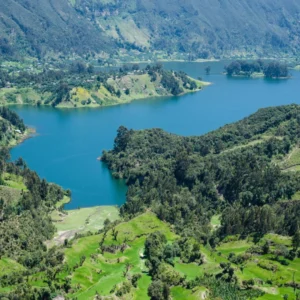
The lake sits at an elevation of approximately 1,950 meters above sea level, within the Ethiopian Highlands, and is surrounded by gently rolling hills and farmland. Lake Haramaya is a significant natural landmark in the region and serves as both an ecological and cultural resource.
How to Get There
Traveling to Haramaya Woreda
From Dire Dawa or Harar:
- Travel by paved or gravel roads toward Haramaya town.
- The route from Dire Dawa covers about 50–55 km and may take 1–2 hours depending on road conditions.
- Local transport options include private vehicles, minibuses, or arranged tours.
Accessing the Lake
- The lake is accessed via small rural roads branching off from Haramaya town.
- Road conditions can vary; during the rainy season, some paths may be muddy or difficult for regular vehicles.
- Local guidance is recommended for visitors unfamiliar with the area, and directions can be obtained from residents or local administrative offices in Haramaya.
Things or Places of Interest at Lake Haramaya
Natural Features
Lake Scenery & Biodiversity
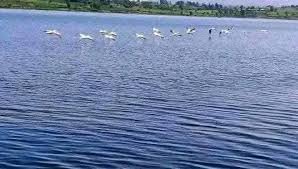
Lake Haramaya is known for its calm waters, scenic surroundings, and birdlife. It attracts both resident and migratory birds, making it an interesting site for birdwatchers.
Agricultural Landscape
The surrounding lands are fertile and heavily farmed, particularly for cereals, khat, and vegetables. Walking around the lake provides views of terraced fields, small farmsteads, and grazing livestock.
Traditional Fishing
Local communities practice small-scale fishing, which is both a livelihood and cultural activity. Visitors may observe or interact with fishermen using traditional methods.
Cultural and Village Life
Oromo Communities
The area around Lake Haramaya is predominantly inhabited by Oromo people, mostly practicing Islam. Cultural observations include:
- Local markets near villages
- Religious sites such as small mosques
- Daily routines like farming, herding, and water collection
Community Projects
The lake has been part of agricultural and environmental development initiatives, including irrigation and water management projects aimed at supporting nearby villages and improving land use sustainability.
The lake area is not a mainstream tourist destination, so much of what visitors experience is everyday rural life, agricultural practices, and natural scenery rather than formal attractions.
History and Significance of Lake Haramaya
Local Landmark
Lake Haramaya is one of the most recognizable natural features of Haramaya woreda and has shaped settlement and farming patterns for centuries.
Ethiopian Highlands Context
Situated in the highlands, the lake contributes to local water supply and microclimate regulation. Its presence supports both human and wildlife populations in an otherwise semi-arid region.
Cultural and Religious Importance
As part of the Oromo homeland, the areas around Lake Haramaya include spaces used for local ceremonies, community gatherings, and traditional practices tied to agriculture and water use.
Modern Developments
Over recent decades, research and development projects have focused on preserving the lake’s ecological balance, promoting sustainable farming, and enhancing the well-being of surrounding communities. These initiatives have included water conservation, reforestation, and monitoring of water quality.
Ecological & Research Value
Lake Haramaya is occasionally included in studies on freshwater ecosystems, bird migration, and rural development in eastern Ethiopia, reflecting its continuing importance to both local residents and researchers.