

- Amusement
- Anywhere
Chemin de fer square
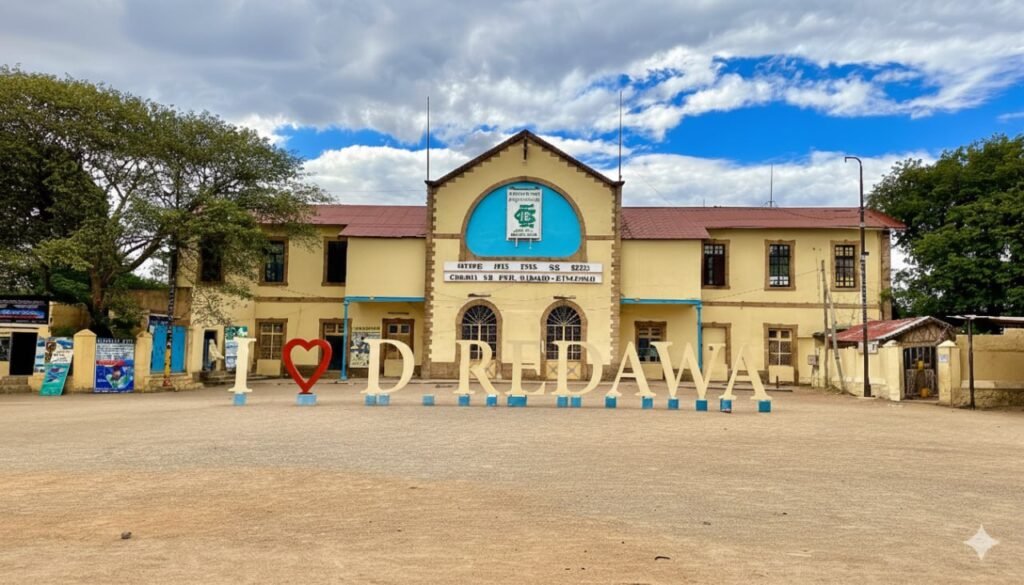
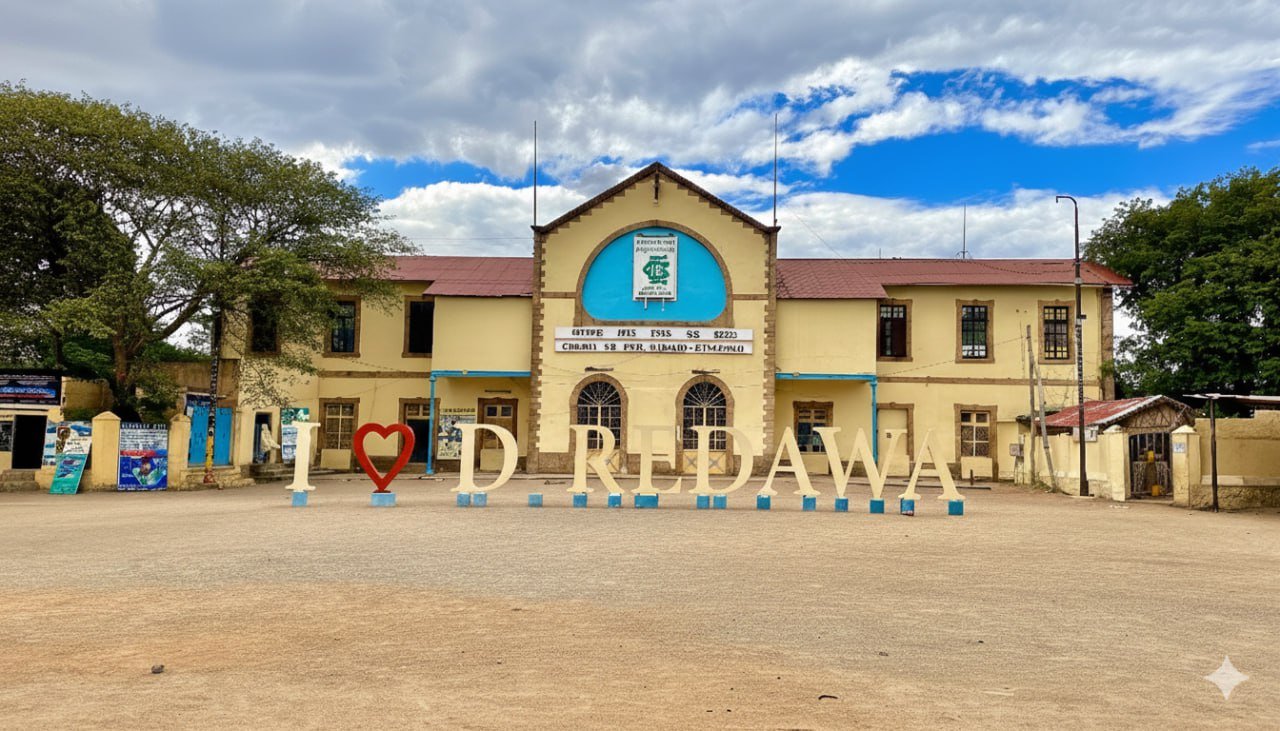
Where is Chemin de Fer Square?
Chemin de Fer Square is a historic public square located in Dire Dawa City Administration, eastern Ethiopia. The name “Chemin de Fer” comes from French, meaning “railway”, a direct reference to the Ethio–Djibouti Railway that gave birth to Dire Dawa itself.
The square lies near the old railway zone of Dire Dawa, close to former rail offices, workers’ quarters, and commercial streets that developed around the train station. It sits at approximately 1,200 meters above sea level, within the city’s hot semi-arid lowland environment.
Unlike natural attractions, Chemin de Fer Square is significant because of what it represents: the historical core of Dire Dawa’s modern urban identity.
How to Get There
Reaching Dire Dawa
Dire Dawa is one of Ethiopia’s main transport hubs:
- By air: Regular flights from Addis Ababa to Dire Dawa International Airport.
- By road: The Addis Ababa–Dire Dawa highway (about 445 km, fully asphalted).
- By rail: The Addis Ababa–Djibouti Railway stops in Dire Dawa, continuing the city’s long rail tradition.
Getting to Chemin de Fer Square
- The square is located within the city center, near older railway neighborhoods.
- Easily accessible by local minibuses, Bajaj tricycles, or taxis.
- Many visitors reach it on foot when moving between nearby markets, offices, and historic streets.
No special preparation or guide is needed—it is part of everyday urban movement in Dire Dawa.
Things and Places of Interest at Chemin de Fer Square
Railway-Era Urban Landscape
Historic Railway Influence
Chemin de Fer Square developed as a focal point during the early 20th century when the Ethio–Djibouti Railway was constructed.
- The surrounding area once housed railway offices, warehouses, and staff residences.
- Street layouts and building spacing still reflect early modern urban planning introduced with the railway.
Even where original buildings no longer stand, the square’s layout preserves the memory of Dire Dawa’s railway origins.
Public Life and City Rhythm
A Gathering Point
The square functions as a natural meeting place:
- Transit point for commuters
- Informal gathering space for discussions and rest
- Reference landmark for directions within the city
Rather than monuments or statues, its importance lies in continuous public use.
Street Commerce
Around the square, small-scale urban commerce thrives:
- Coffee vendors and tea stalls
- Small shops and kiosks
- Street food sellers, especially during busy hours
This reflects Dire Dawa’s long-standing culture of trade and movement.
Architectural Traces
While Dire Dawa has modernized rapidly, parts of the Chemin de Fer area still show:
- Older masonry and concrete buildings
- Wide streets designed for early vehicular and rail-related traffic
- Mixed-use structures combining shops and residences
These elements offer a subtle but meaningful glimpse into the city’s early modern phase.
Culture and Daily Life Around the Square
Chemin de Fer Square is deeply embedded in multicultural urban life.
You will encounter:
- Oromo, Somali, Amhara, Harari, Gurage, and other communities
- Multiple languages spoken casually in public spaces
- A mix of traditional dress and modern urban clothing
Religious life is present but understated, with mosques and churches located nearby, integrated into daily routines rather than separated as tourist landmarks.
History of Chemin de Fer Square
The Railway and the Birth of Dire Dawa
Dire Dawa was founded in the early 1900s after Harar was bypassed by the railway due to its mountainous terrain. The Ethio–Djibouti Railway required a flat, accessible location—leading to the creation of Dire Dawa.
Chemin de Fer Square emerged as part of this railway-centered urban plan, serving workers, administrators, traders, and travelers connected to the rail line.
French and International Influence
The railway project brought:
- French engineers and administrators
- Foreign merchants and technicians
- New systems of labor, housing, and urban organization
The French name of the square itself is a rare and lasting reminder of this international influence within Ethiopia.
Political and Social Significance
Over time, Chemin de Fer Square has been:
- A space for public gatherings and announcements
- A reference point during political events and demonstrations
- A symbol of Dire Dawa’s civic identity
Its open, central nature made it suitable for collective expression long before modern public squares became common in Ethiopia.
Modern Transformation
Today, Chemin de Fer Square faces pressures typical of growing cities:
- Traffic congestion
- Informal vending
- Infrastructure aging
At the same time, it remains a powerful historical anchor amid rapid urban change.
Why Chemin de Fer Square Matters
Chemin de Fer Square is not about spectacle—it is about origin and continuity.
It represents:
- The starting point of Dire Dawa’s modern history
- Ethiopia’s early connection to global transport and trade networks
- The everyday public space where history and present-day life intersect
For visitors and locals alike, standing in Chemin de Fer Square is standing at the place where Dire Dawa began moving.
Explore

Hotels

Restaurants
Tourist Sites