

Welcome to Dire Dawa, a city where history moves to the rhythm of train tracks and bustling markets. At Nudire, our goal is connecting Dire Dawa to the world, making it easier for the global Habesha community and friends in the Washington DC, Maryland, and Virginia areas to explore this beautiful urban center. To truly understand this place, we must dive into the fascinating History of Dire Dawa, a narrative shaped by global trade, diverse cultures, and rapid modern development. Unlike traditional Ethiopian towns that grew around military garrisons, Dire Dawa emerged directly from a bold vision of infrastructure and international connection.
Table of Contents
1. The Railway Foundation and Historical Development of Dire Dawa
2. A City of Two Worlds: The Architectural History of Dire Dawa
3. Survival and Resilience Through the Twentieth Century
4. Deep Roots: The Prehistoric Heritage Sites in Dire Dawa
5. Connect With the Future of Dire Dawa
1. The Railway Foundation and Historical Development of Dire Dawa
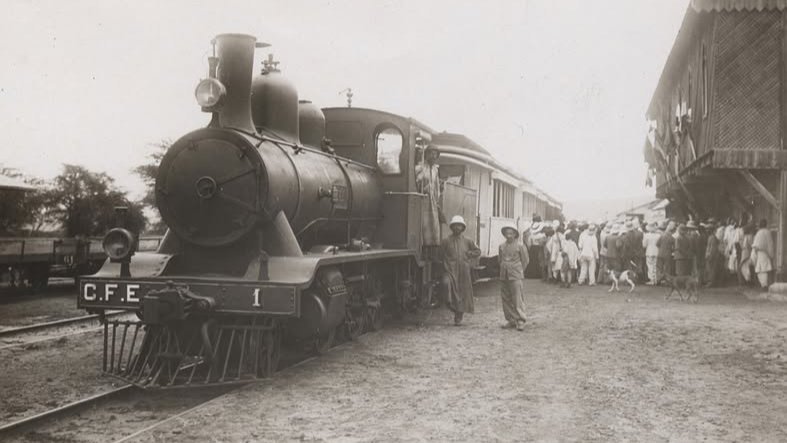
The true modern history of Dire Dawa began with a twist of engineering fate. During the late nineteenth century, imperial railway planning advanced under concessions connected with Emperor Menelik II. The original plan was to take the railway line directly up to the historic city of Harar. However, the steep climb up the mountain escarpment proved technically difficult. Emperor Menelik accepted a strategic alternative: a new foothill terminus below the mountains.
On 24 December 1902, the very first train reached this newly established settlement. This historic arrival is celebrated by local communities and historians as the official foundation date of the modern city. The commercial importance of the town solidified almost instantly when the national customs function was moved from Gildessa to Dire Dawa, turning a simple transport stop into a vital economic gateway. Between 1908 and 1917, the line was restructured into the famous Franco Ethiopian Railway, finally connecting Addis Ababa to the port of Djibouti. Dire Dawa quickly transformed into a major boom city, capturing trade routes that had flowed through the region for centuries.
Quick Summary for Fast Readers
- Moving the customs post to the city accelerated its early economic growth.
- Engineering challenges prevented the railway from reaching Harar directly.
- The arrival of the first train on 24 December 1902 marks the birth of the city.
2. A City of Two Worlds: The Architectural History of Dire Dawa
The unique historical development of Dire Dawa is beautifully preserved in its urban layout. The city developed on both sides of the Dechatu River, creating a fascinating contrast between two distinct neighborhoods.
On one side sits Kezira, a regularly planned quarter built by the railway company. In its early days, Kezira housed railway employees alongside thriving merchant communities of French, Greek, Armenian, and Arab settlers. Walking through Kezira today reveals wide avenues and colonial style architecture that feels completely unique within Ethiopia.
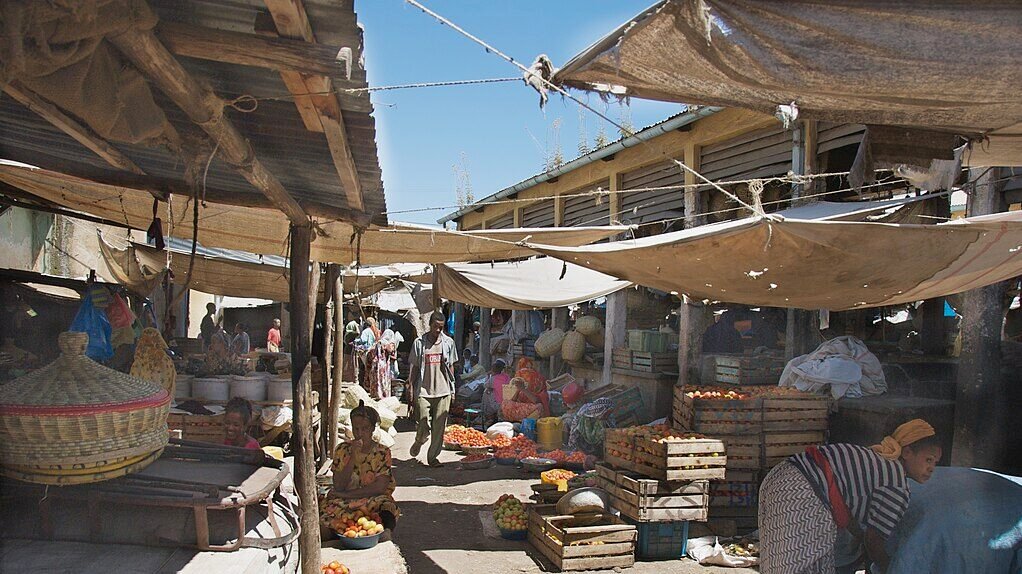
Across the Dechatu River lies Megaala, the older, market centered quarter. Megaala preserves a dense, organic urban fabric filled with Islamic architectural influences and traditional trading spaces. Together, these two neighborhoods create a magnificent living museum of social mixing and global commerce. Visitors looking to experience this atmosphere firsthand can explore local Hotels and dine at traditional Restaurants scattered across both historic sides of the river.
Quick Summary for Fast Readers
- The Dechatu River divides the city into two distinct historic quarters.
- Kezira features planned European style architecture built by the railway company.
- Megaala is an organic, vibrant market quarter rich in traditional culture.
“Walking through Kezira feels like stepping through a time machine. My grandparents told me stories about the French style cafes, but seeing the architecture preserved alongside our vibrant markets makes me proud of my roots.”
— Sara, a diaspora member visiting from Maryland
3. Survival and Resilience Through the Twentieth Century
The mid twentieth century brought waves of geopolitical change to the city. Between 1936 and 1941, Italian forces occupied the area, introducing new buildings, road improvements, and an enlargement of the local airport. Following Allied liberation in 1941, the town was placed under British Military Administration until 1947, when it fully reentered the Ethiopian state under Emperor Haile Selassie.
The later decades of the century tested the resilience of the community. Following the 1974 revolution, the city experienced significant labor unrest and the nationalization of local enterprises. During the Ethio Somali war of 1977 and 1978, holding the city became a strategically decisive factor for the nation.
To manage territorial competing claims after 1991, the federal government placed the municipality under direct federal jurisdiction in 1993, later granting it chartered city status in 2004. Today, the city is experiencing an economic renaissance, supercharged by the inauguration of the cutting edge Dire Dawa Free Trade Zone, which entered full operation recently to cement the city as a modern industrial leader.
Quick Summary for Fast Readers
- The city experienced Italian occupation and British administration in the 1930s and 1940s.
- It played a critical strategic role during the Ethio Somali war.
- Chartered city status in 2004 paved the way for modern industrial zones.
4. Deep Roots: The Prehistoric Heritage Sites in Dire Dawa
While the urban center is young, the surrounding landscape holds ancient secrets. Exploring the deeper history of the region reveals that humans have gathered here for millennia. Archaeological excavations at Porc Epic Cave, located just a few kilometers outside the urban perimeter, have revealed fascinating evidence of Middle Stone Age occupation, including highly complex ochre processing behaviors.
Further into the surrounding hills sits Laga Oda Cave, a regional highlight famous for its prehistoric rock art shelters. For travelers utilizing the modern Ethio Djibouti Railway or booking flights via Ethiopian Airlines, these deep time sanctuaries offer an incredible contrast to the twentieth century railway narrative. Additionally, the ancient, walled city of Harar Jugol, a UNESCO World Heritage site, sits just a short drive away, making the region an unparalleled destination for history enthusiasts.
Quick Summary for Fast Readers
- Porc Epic Cave provides world class evidence of Middle Stone Age human life.
- Laga Oda Cave contains beautifully preserved prehistoric rock art.
- The city serves as an ideal base to explore nearby ancient historical treasures.
“The Dechatu river separates our neighborhoods, but our shared heritage connects our souls. Whether you are exploring ancient caves or shopping in the Taiwan market, this land belongs to everyone.”
— Khadija, a textile vendor in Megaala
5. Connect With the Future of Dire Dawa
At Nudire, we believe that understanding the past is the key to building a prosperous future. We are dedicated to creating a comprehensive digital guide that helps locals, visitors, and the global diaspora discover businesses, explore cultural stories, and invest back into the community.
Are you a local business owner looking to grow your visibility? Go ahead and Get your business listed on our growing platform today. If you want to support our mission of connecting this historic city to the global stage, learn more on our About us page or check out our active Fundraising initiatives.
We want to hear from you! Whether you have historical stories to share, questions about upcoming events, or want to partner with our platform, please Contact us directly or visit our Home page to start your journey into the heart of eastern Ethiopia.
[…] History of Dire Dawa […]
[…] History of Dire Dawa […]
[…] History of Dire Dawa […]
[…] History of Dire Dawa […]