
Explore Qulbi Gebriel (also called Kulubi St. Gabriel), a sacred hilltop church and pilgrimage site near Dire Dawa.
Table of Content
- The Story of Qulbi Gebriel Church
- Visiting Qulbi Gebriel
- Cultural Significance and Local Experience
- Nearby Attractions
- Summary
The Story of Qulbi Gebriel Church
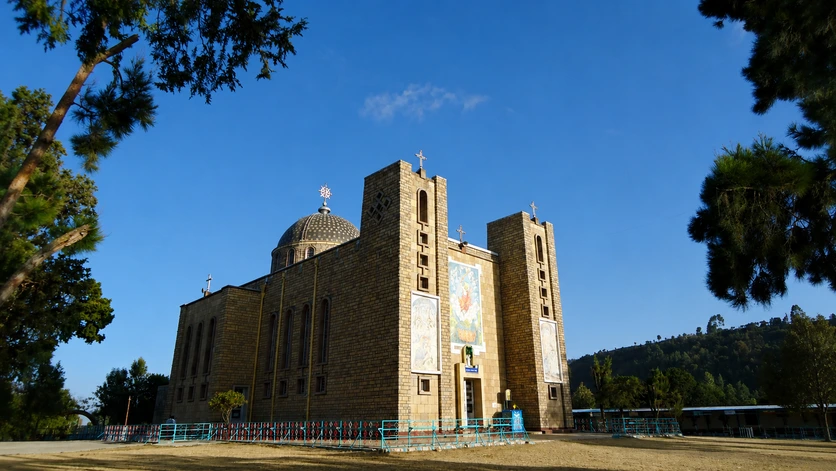
This church is dedicated to the Archangel St. Gabriel, a highly revered figure in the Ethiopian Orthodox faith. According to tradition, the Ark of Saint Gabriel was miraculously guided to this mountain by the Archangel himself, and Ras Makonnen (Father of Emperor Haile Selassie) vowed to build a church there. The original stone church was completed in the 1880s, and Emperor Haile Selassie later rebuilt it into the present grand structure in 1962. Kulubi’s modern church—with its monumental towers and painted icons—echoes traditional Ethiopian design and stands out among the highlands.
The golden-domed architecture of an Ethiopian Orthodox church in lush surroundings, reflecting the style and spirituality of places like Qulbi Gebriel.
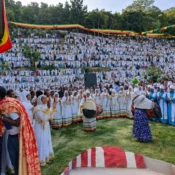
Once completed, Kulubi St. Gabriel became famous for miracles and answered prayers. Many faithful believe that visiting or praying at Qulbi Gebriel can bring healing, blessings, and fulfillment of vows. Each year, tens of thousands of Orthodox Christians walk to Kulubi for two major feast days – Hamlé 19 (July 26) and Tahsas 19 (December 28). These festivals honor Archangel Gabriel and commemorate the church’s founding and divine protection (e.g. the miraculous rescue of Shadrach, Meshach, and Abednego). The celebrations are marked by large crowds, traditional liturgies, priestly shibshabo chantings, and communal prayers. Families camp on the hillside overnight; pilgrims bring gifts like offerings, candles, or Samācatya (scented incense) as part of their devotion. Local vendors often set up makeshift stalls selling food and souvenirs, creating a festive atmosphere.
- Origin Story: Abba Lewi carried the Ark of Gabriel to Kulubi, where Ras Makonnen built the first church (blessed on Tahesas 19, 1888). Emperor Haile Selassie rebuilt it into today’s church in 1962.
- Archangel Gabriel’s Role: Archangel Gabriel is honored as a messenger and healer; pilgrims believe he brings miracles. Kulubi’s church is dedicated to St. Gabriel.
- Pilgrimage Festivals: Major celebrations on Ethiopian calendar Hamlé 19 (July 26) and Tahsas 19 (Dec 28) draw huge crowds. Believers travel from across Ethiopia (and abroad) seeking blessings, often walking many kilometers as an act of faith.
- Local Tradition: The feast honors St. Gabriel’s story (saving three youth in Daniel 3) and the church’s blessing. Services feature traditional Orthodox rituals (e.g. shibshabo rhythmic liturgy) and devotional singing in Ge‘ez.
Visiting Qulbi Gebriel
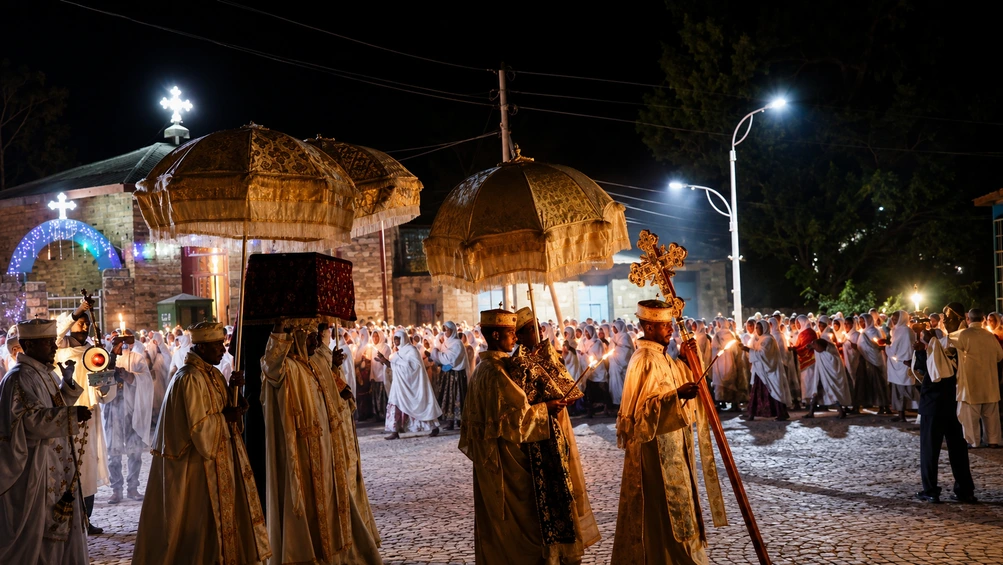
Today’s Qulbi Gebriel is a hillside pilgrimage complex about 50 km south of Dire Dawa. The drive from Dire Dawa takes roughly an hour along winding mountain roads. (For travel planning, see Nudire’s Addis to Dire Dawa guide and Getting to Dire Dawa pages.) Visitors often approach by private car, shared taxi (“Dəbēba”), or as part of organized tour groups. During big pilgrimage days the roads can be very crowded and parking limited.
The pilgrimage site itself is high up, at about 2,100 meters elevation, so bring water, hats and sunscreen. Once at the church, expect huge crowds and a lively, respectful worship atmosphere. Pilgrims of all ages gather, many barefoot or prostrate in prayer, carrying candles or icons. Dress modestly (both men and women cover shoulders and legs) and be prepared to remove shoes before entering the holy areas. Photography is common outside (especially of the grand exterior and crowds), but avoid snapping close-ups of worshippers. Always ask permission before photographing clergy or laypeople; follow any posted signs or attendant instructions.
If you’re not there for the feast days, Kulubi is much quieter. The church is still open for visitors and local services (daily or weekly Mass). Roads and terrain can be slippery in Ethiopia’s rainy season (summer), so plan accordingly. Nearby Harar city (to the east) and local markets in Diridhabi (closer by) offer food and lodging options. Many visitors base themselves in Dire Dawa and make a day trip to Kulubi. Nudire’s Hotels listing can help you find accommodation in Dire Dawa or nearby towns. After the pilgrimage, travelers often enjoy a meal in Dire Dawa; check Nudire’s Restaurants to discover local cuisine (like injera with spicy wats, traditional firfir porridge, or Harari honey bread).
- How to Reach Kulubi: About 50 km south of Dire Dawa (515 km from Addis Ababa), reachable by car or bus. Roads are steep and scenic. Shared minibuses run on festival days, but private vehicles offer more flexibility.
- What to Expect: Vast crowds on feast days, with overnight camping and non-stop worship. Modest dress is required; leave valuables in your hotel or secure bag. The site is peaceful off-season.
- Facilities: Limited formal accommodations at Kulubi itself. Many pilgrims camp or stay in Dire Dawa hotels. Use Nudire’s Hotels directory to find nearby lodging. In Dire Dawa, you can continue using Nudire to discover local places to eat or tourist sites.
- Safety Tips: Travel in groups if possible, carry water and snacks, charge phones beforehand, and be patient with traffic jams on festival days. Respect local customs and the solemnity of the site.
Cultural Significance and Local Experience
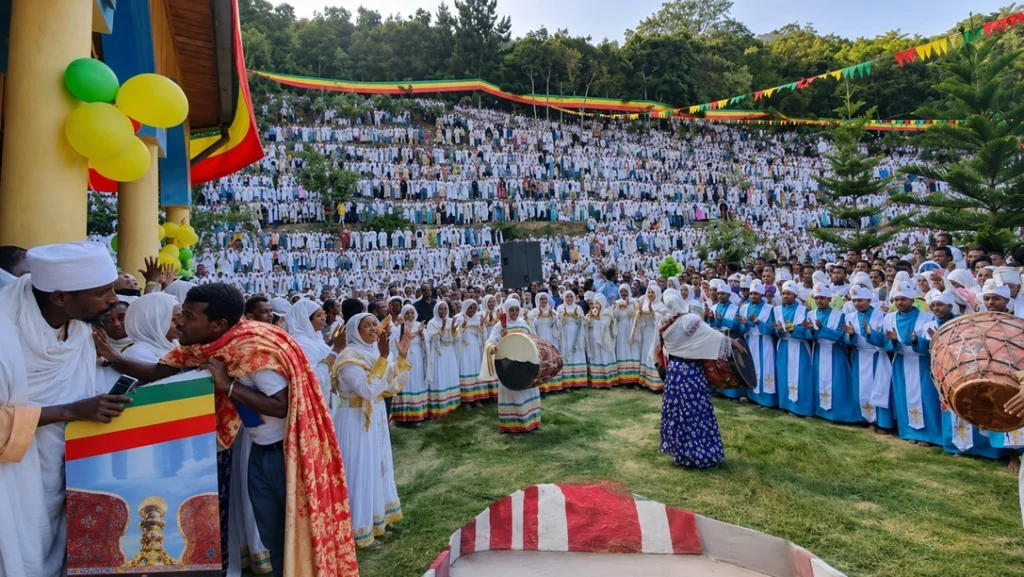
Kulubi’s St. Gabriel Church symbolizes the fusion of faith, history, and community. It stands in the old Hararghe province (Dire Dawa area) where a mosque once stood – local lore says the church commemorates Emperor Menelik II’s victory over a nearby mosque at the 1896 Battle of Adwa. Despite being remote, the site is firmly part of Dire Dawa’s cultural landscape. Many Dire Dawa residents have family traditions of making the pilgrimage or participating in Kulubi’s festival.
Pilgrim Testimonies: Countless believers share stories of cures or life changes after visiting Kulubi. While we can’t verify each claim, these testimonies show the deep faith people place in St. Gabriel’s intercession. Pilgrims often tell of feeling overwhelming peace at the site, or of prayers answered in very personal ways. This collective faith atmosphere is a core part of the experience, and even visitors of other backgrounds often describe it as moving and uplifting.
Local Community: During the pilgrimage, nearby villages and Dire Dawa businesses see a boom in activity. Hotel and guesthouse owners benefit from the influx, and many temporary vendors sell food, water, and religious souvenirs (holy water flasks, crosses, books of mezmur hymns, etc.). Nudire’s goal includes promoting these local businesses – for instance, you can get your business listed on Nudire to reach pilgrims and tourists, or browse our directory of fundraising events if any church groups are seeking support.
- Holiday Atmosphere: The feast is like a city-wide festival. Along with worship, expect Ethiopian singing, traditional food stalls, and the colorful display of priests’ umbrellas and crosses. Visitors often pick up Amharic or Oromo mezmur hymnals from local bookstores.
- Respectful Conduct: Talk to locals; many are eager to share why Kulubi matters. Donate or volunteer if you feel moved – for example, youths often help carry the Ark or organize shelters. But always act respectfully: non-Orthodox should observe quietly (non-Ethiopian Christians and tourists may attend, but must avoid taking the Eucharist or participating in Communion).
- Photography: Pilgrims often want photos of the scenic mountain or large gathering. Generally you can photograph outside the church, but once services begin, keep cameras at your side. The Ethiopian Orthodox clergy use incense, rhythmic chanting, and liturgical dances (dabtara and qadem) – a photographer should be especially mindful of not disrupting these rites.
Nearby Attractions
Since Qulbi Gebriel is outside Dire Dawa city, many visitors combine the pilgrimage with exploring Dire Dawa and Hararghe. Dire Dawa itself offers a very different experience: lively markets like Kefira (famous for spices and crafts), the old Dire Dawa Railway Station, and charming colonial-era buildings. Nudire’s What Locals Love About Dire Dawa blog and Dire Dawa History pages can help you appreciate the city. If time allows, pilgrims sometimes continue on to Harar Jugol, the ancient walled city northeast of Dire Dawa, famous for its hyena-feeding tradition and vibrant markets. Nudire’s listings for places to visit will highlight both urban and rural attractions.
For diaspora in DC/MD/VA, sharing stories of Kulubi can keep cultural ties strong. Hosting an Ethiopian feast day or fundraiser around Kulubi’s calendar (e.g. Tahisas 19) can raise awareness and connect communities. On our platform, we encourage event announcements: if your church or club is organizing a Kulubi-related event in Diaspora, list it on Nudire’s Events page.
- Lodging and Dining: Back in Dire Dawa, find a good meal of doro wot (spicy chicken stew) or kitfo at local restaurants (see Nudire’s Restaurants section for recommended spots). Traditional coffee ceremony cafes are also a must. If your pilgrimage is strenuous, consider arranging hotel stays through Nudire’s Hotels directory.
- Combining Tours: Many tour operators package Kulubi with other Christian sites (like Gishen Mariam) or regional highlights. Check local travel bureaus listed under Services on Nudire.
- Interior Touring: If you’re interested in architecture or art, look up the icon murals inside Kulubi Church depicting St. Gabriel’s life. These vibrant paintings are often explained by local guides or priests.
Summary of Key Points
- Legend & Founding: St. Gabriel’s Ark guided Abba Lewi to Kulubi; Ras Makonnen built a church there in the 1880s. Haile Selassie rebuilt it in 1962.
- Pilgrimage Festivals: Twice a year (July 26 and Dec 28) the hill is thronged by tens of thousands of worshippers in celebration of Archangel Gabriel. Pilgrims seek healing, answer to prayers, and spiritual renewal.
- What to Expect: A busy pilgrimage site – dress conservatively, carry essentials, and be prepared for large crowds and lively prayer services. On non-festival days it’s quiet, but still a holy site.
- Getting There: Kulubi is about 50 km south of Dire Dawa. Most visitors go via Dire Dawa (a major transport hub 515 km east of Addis Ababa). To plan your route from Addis, see Nudire’s Addis Ababa to Dire Dawa guide.
- Local Services: Use Nudire to find nearby amenities – e.g. Hotels for lodging, Restaurants for meals, and Places to Visit listings for other attractions (including cultural centers or markets). Local businesses can also list on Nudire (Get Listed) to be discovered by pilgrims.
- Cultural Note: Qulbi Gebriel remains one of Ethiopia’s most beloved Orthodox sites. It embodies the country’s faith, history, and community spirit. As Nudire’s mission says, sharing sites like Kulubi helps connect Dire Dawa to the world. We hope this guide helps you experience the blessings of Kulubi St. Gabriel and the hospitality of Dire Dawa.