
Where is Dire Dawa’s Old Railway Station?
Dire Dawa’s Old Railway Station is located in Dire Dawa City Administration, eastern Ethiopia.
It sits near the historic city center, close to the original neighborhoods that developed around the railway in the early 20th century.
The station lies along the route of the Ethio–Djibouti Railway, the first modern railway line in Ethiopia, which connected Addis Ababa to the port of Djibouti.
Dire Dawa itself exists largely because of this railway: the city grew around the station after construction began in the early 1900s.
-
Region: Dire Dawa City Administration
-
Distance from Addis Ababa: ~515 km by road
-
Elevation of Dire Dawa: ~1,200 meters above sea level
-
Climate: Semi-arid lowland, hotter than the surrounding highlands
How to Get There
Reaching Dire Dawa
-
By road: Dire Dawa is connected to Addis Ababa via the Addis–Harar highway.
-
By air: Dire Dawa International Airport has regular domestic flights from Addis Ababa.
-
By rail (modern): The new Addis Ababa–Djibouti standard-gauge railway stops outside the historic core, but the old station remains a landmark.
Reaching the Old Railway Station
-
Once in Dire Dawa, the Old Railway Station is easily accessible by:
-
Taxi
-
Bajaj (three-wheel taxis)
-
Short walk from central neighborhoods
-
Unlike remote natural sites, no guide or special transport is required, though local historical knowledge greatly enriches the visit.
Things or Places of Interest at Dire Dawa’s Old Railway Station
Historic Railway Architecture
-
The station building reflects early 20th-century European railway design, introduced during Emperor Menelik II’s modernization era.
-
Constructed primarily by French engineers, it features:
-
Thick masonry walls
-
High ceilings designed for heat control
-
Symmetrical layouts typical of colonial railway stations
-
Though parts of the structure show age and wear, this is part of its authenticity rather than a flaw.
Old Trains and Railway Equipment
-
The surrounding rail yard historically housed:
-
Steam locomotives
-
Cargo wagons
-
Passenger cars used on the Addis–Djibouti line
-
-
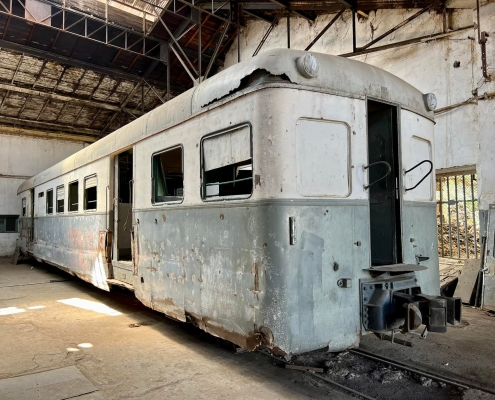
Some old equipment remains visible in or around the station area, offering a rare glimpse into early African railway technology.
This is not a polished museum experience — it’s an open-air historical environment.
Birthplace of a City
Most visitors miss this point: Dire Dawa did not exist before the railway.
-
The city was founded in 1902 as a railway settlement.
-
Workers, traders, engineers, and families arrived from:
-
Ethiopia’s highlands
-
Djibouti
-
Yemen
-
France, Greece, Armenia, and Italy
-
-
Entire neighborhoods grew outward from the station.
Standing at the old station is essentially standing at the origin point of Dire Dawa.
Culture and Urban Life Around the Station
A Crossroads of Cultures
The railway turned Dire Dawa into one of Ethiopia’s most cosmopolitan cities.
Around the old station, you’ll historically find:
-
Oromo, Somali, Harari, and Amhara communities
-
Influences from Arab, French, and Mediterranean traders
-
Multilingual daily life (Afan Oromo, Somali, Amharic, Arabic, French)
This diversity still defines the city today.
Markets and Daily Life
-
Informal markets developed around the station to serve railway workers.
-
Small cafés, tea houses, and shops historically catered to travelers.
-
The station area remains lively, practical, and deeply urban — not curated for tourists.
If you’re looking for “real city life” rather than staged heritage, this area delivers.
Historical Importance of Dire Dawa’s Old Railway Station
The Ethio–Djibouti Railway
-
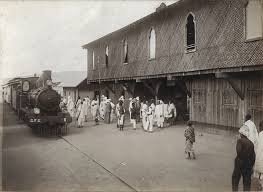
Construction began in 1897 and reached Dire Dawa in 1902.
-
The railway was commissioned by Emperor Menelik II to:
-
Reduce Ethiopia’s dependence on caravan trade
-
Connect the empire to the sea
-
Strengthen political independence
-
Dire Dawa became the main inland hub of this railway system.
Economic Transformation
Before the railway:
-
Trade relied on camels and caravans
-
Journeys to the coast took weeks
After the railway:
-
Coffee, hides, khat, and imports moved rapidly
-
Dire Dawa became a major commercial center
-
Urban employment expanded beyond agriculture
The old station symbolizes Ethiopia’s first leap into industrial-era infrastructure.
Political and Military History
-
The railway was strategically vital during:
-
The Italian occupation (1936–1941)
-
World War II in East Africa
-
-
Control of Dire Dawa and its station meant control of supply lines.
This makes the station not just an economic landmark, but a strategic historical site.
Present Condition and Heritage Value
Today, Dire Dawa’s Old Railway Station stands as:
-
A functional reminder of early Ethiopian modernization
-
An under-protected heritage site
-
A place where history is visible but not fully preserved
Here’s the uncomfortable truth:
– It is historically more important than many “tourist attractions,” yet far less protected.
This creates both risk and opportunity:
-
Risk of decay and neglect
-
Opportunity for heritage tourism, restoration, and education
Why Visit Dire Dawa’s Old Railway Station?
You don’t visit this place for luxury, views, or entertainment.
You visit it if you care about:
-
Ethiopian modernization history
-
Urban origins and industrial heritage
-
The story of how infrastructure shapes nations
-
Places that are real, imperfect, and meaningful
If Gorro Gutu Mountain tells the story of land and people,
Dire Dawa’s Old Railway Station tells the story of movement, change, and connection.